

That Urgent Payment Request Might Not Be From Your Boss
August 5th, 2027
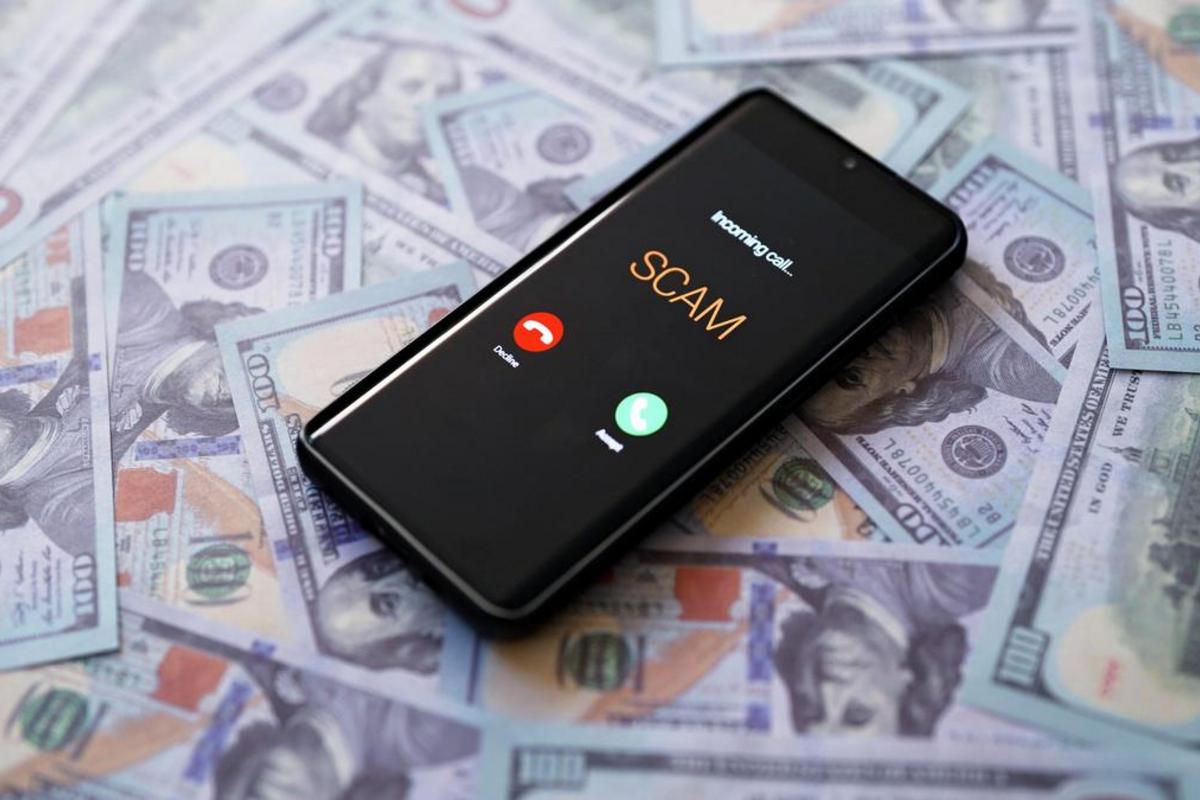
The message looks ordinary. It comes from a name you know, uses the same language your vendor uses and arrives at a busy moment. The bank details have changed. The invoice is overdue. Please pay today and confirm when it is done.
This is what payment fraud often looks like. It does not announce itself with a skull and crossbones. It looks like a normal request from a normal person, sent at a moment when you are least likely to slow down.
The three common versions
Most payment scams fall into one of three shapes:
- The vendor with new bank details. An email appears to come from a supplier and asks you to update their payment information. The logo is right. The signature is right. The account belongs to someone else.
- The boss who needs something now. A text or email from the owner or a senior manager asks for a wire transfer, gift cards or a payment that must be kept quiet. It arrives while the real person is in a meeting and cannot easily be reached.
- The bank that needs to verify something. A caller says there is a problem with a payment or an account and asks for information to fix it. The caller sounds professional and already knows a few details about the business.
The common thread is urgency. The scam depends on the person feeling that there is no time to check.
Slow down before you pay
The single best defense is a short pause. Not a suspicious pause that makes everyday work miserable, but a deliberate step that applies to every request involving money or account changes. The exact rule can be simple: any change to payment details gets verified by phone, using a number you already have.
That means not calling the number in the email. Not replying to the message. Not using the contact form on the website linked from the message. Look up the vendor's number in your own records, call it and ask a person whether the change is real.
Look at the address, not just the name
An email display name is easy to fake. The actual address is a better clue. A message from your regular contact at a vendor should come from the same domain you have always used. Watch for small changes: an extra letter, a different ending, a free email address where the vendor normally uses a company one.
Also check the reply-to address. A message can look like it came from one place and send replies somewhere else. On a phone, tap the sender's name to see the full address before you respond.
Ask a question only the real person could answer
If you cannot reach the person by phone, ask a question that a stranger would not know. What was the name of the project we discussed last month? Which office handles our account? What is the invoice number on the copy you sent in June? A real vendor can answer. A scammer usually cannot.
Do not use the contact details in the suspicious message to ask the question. That defeats the purpose.
Make two people say yes
For wire transfers, new bank details or any payment above a set amount, require two people to approve. One person can be fooled. Two people, checking separately, are much harder to fool. The second person should verify with the vendor independently, not simply approve what the first person forwarded.
Write the rule down and make sure it applies to everyone, including the owner. A policy that only applies to junior staff is not a control. It is a suggestion.
Train the people who answer the phone
Payment fraud does not always arrive in the accounting inbox. It can arrive at the front desk as a call from "the bank," or in a text to an employee who handles scheduling. Anyone who can see a vendor name, an invoice or a payment request should know the verification rule.
A short monthly reminder is more useful than a long annual training. Pick one real example, walk through what happened and ask what the person should do. Five minutes is enough.
If it happens anyway
Act quickly. Call the bank, ask to recall the transfer and report the fraud. Change any passwords that may have been exposed. Tell your IT provider so they can check for a compromised mailbox or a forwarding rule. Report the message to your email provider and, if money was lost, to law enforcement.
Do not shame the person who was fooled. The best defense is a culture where people feel safe saying "this looks strange" before they pay, not one where they hide a mistake until it is too late.
Make the safe path the easy path
A verification rule only works if it is easy to follow. Keep a current vendor contact list. Give the person who handles payments the authority to pause a request. Make the second approval quick. The goal is not to slow down every invoice. It is to make the unusual request stand out.
Seminole Office Solutions helps Central Florida businesses with cybersecurity services, including email protection, security awareness training and account reviews. If you are not sure how a fraudulent request would be handled in your office today, contact our team in Longwood and we can walk through it with you.
Posted in: Cybersecurity